

Dental Bridges
Fixed restorations that close the gap left by missing teeth.
About Dental Bridges
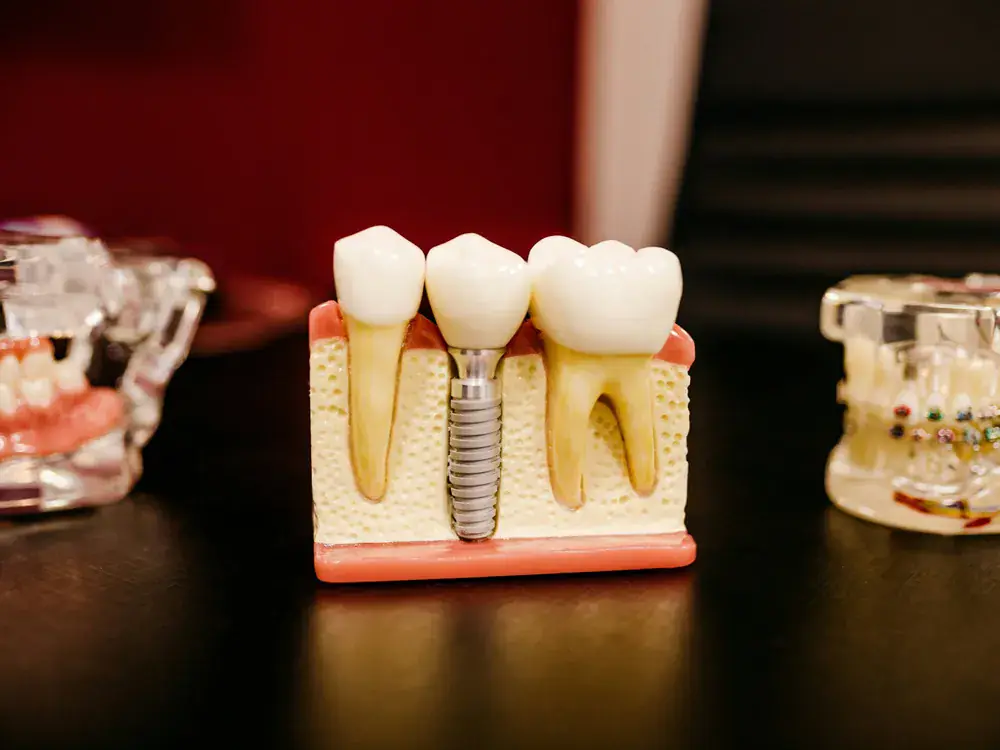
A dental bridge replaces one or more missing teeth by joining an artificial tooth to crowns on the neighbouring teeth, or to implants.
Who it may suit
- A gap left by a missing tooth
- Healthy neighbouring teeth that can support crowns
- Patients who prefer not to have an implant
What the procedure involves
- 1
Examination and planning
- 2
Preparation of supporting teeth and impressions or scans
- 3
Fitting of the final bridge and bite adjustment
Potential benefits
- Restores appearance and chewing
- Typically quicker than implant treatment
Limitations & considerations
- Supporting teeth are usually prepared
- Requires careful cleaning under the bridge
This page is general information and not medical advice. Suitability, risks and results depend on your individual circumstances and must be assessed by a dentist.
More in Cosmetic Dentistry
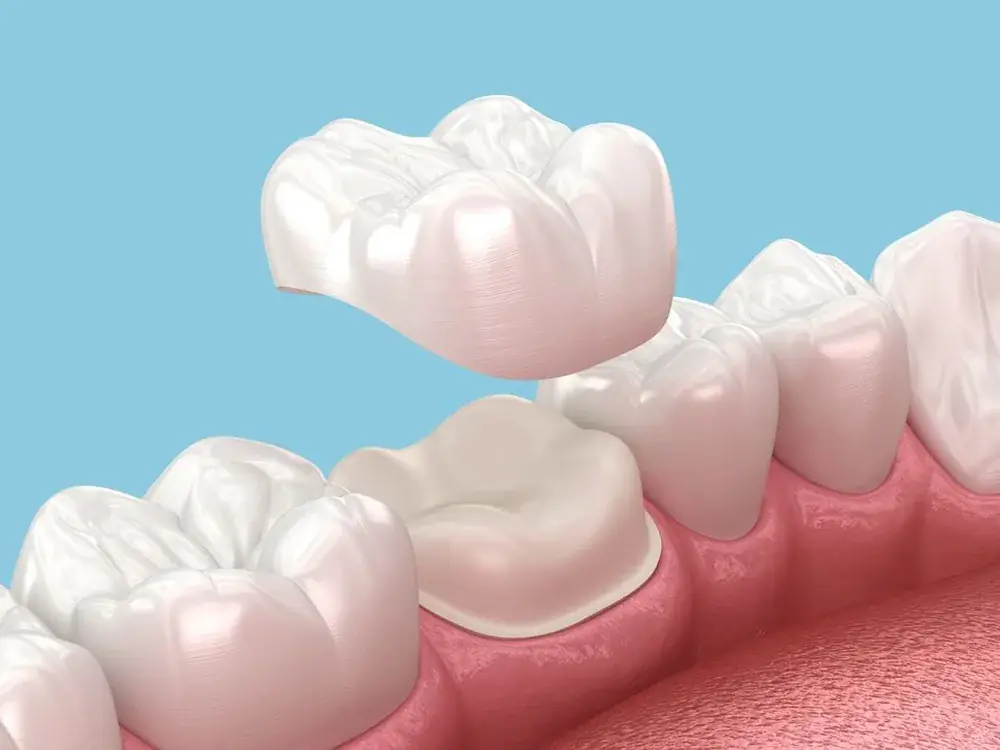
Dental Crowns
Custom caps that cover and protect a weakened or heavily restored tooth.
Learn more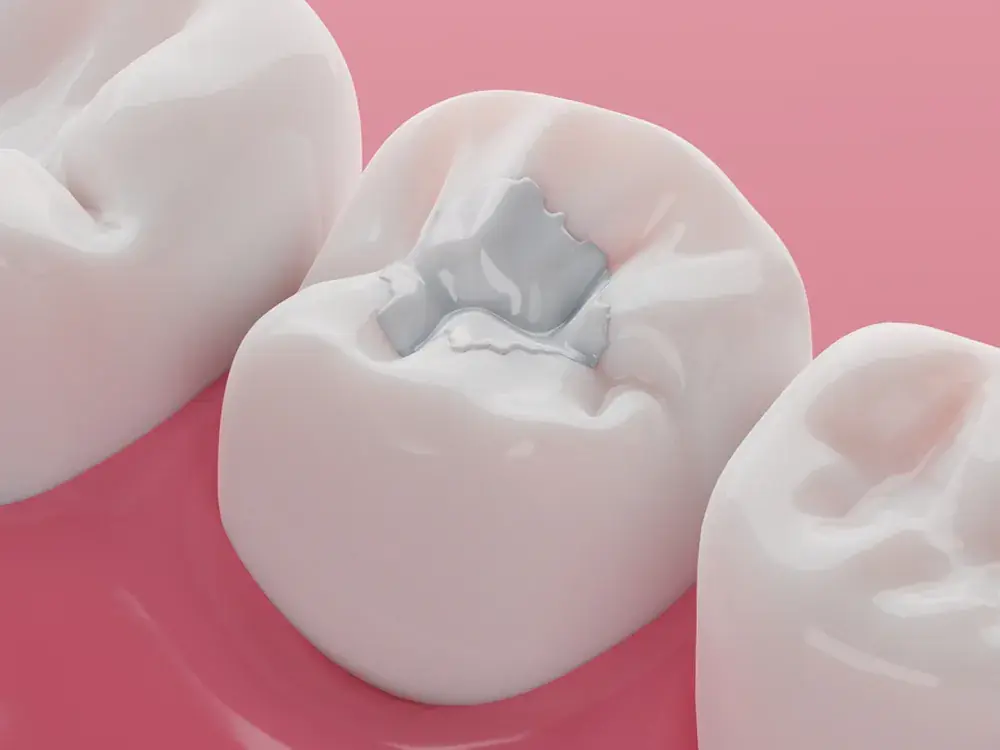
Composite Fillings
Tooth-coloured fillings used to repair decay.
Learn more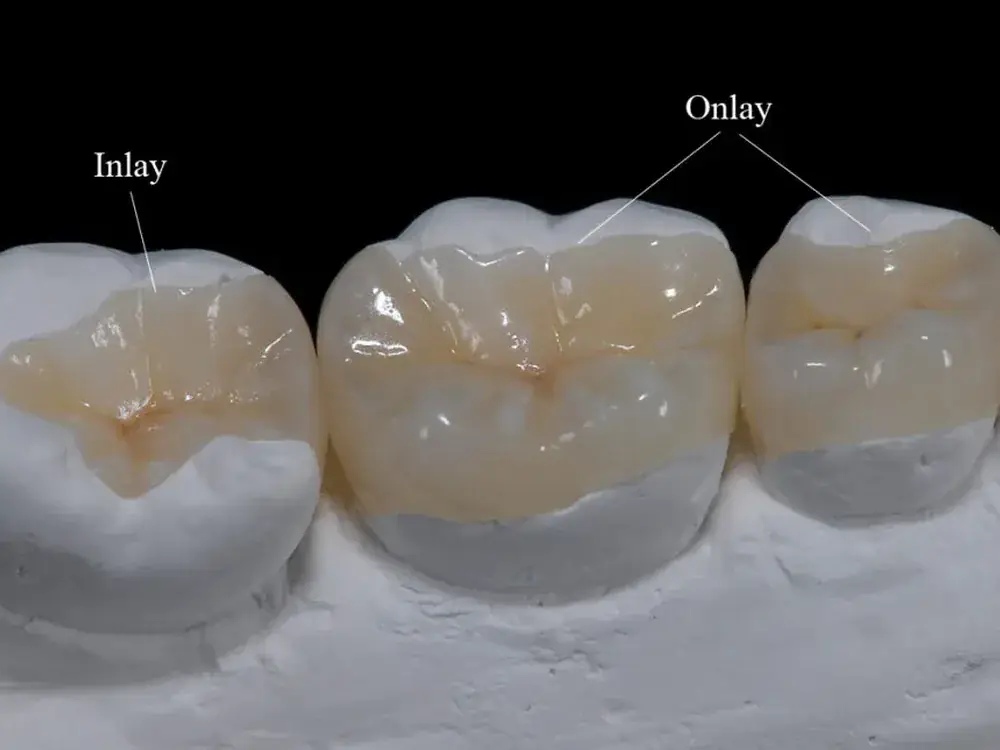
Inlays and Onlays
Custom-made restorations for teeth too damaged for a standard filling.
Learn more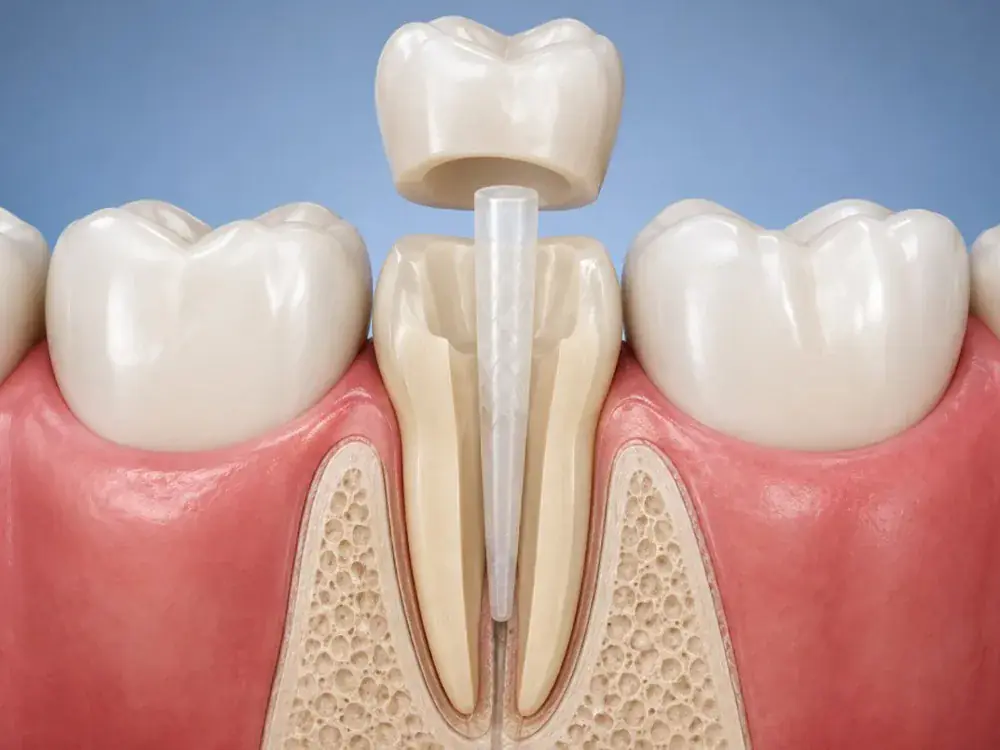
Fiber Post
A support placed inside a root-treated tooth to hold a restoration.
Learn moreDental Bridges: frequently asked questions
Each has advantages. Your dentist will explain which suits your teeth, bone and goals.
Only a dentist can say after examining you. Share your goals and photos with our team and we will explain the options before you book.
The price depends on your case. We can give an indicative figure after an online conversation, and confirm it after your examination.
You may also be interested in
Interested in dental bridges?
Send us a message and we will explain your options.