

Composite Fillings
Tooth-coloured fillings used to repair decay.
About Composite Fillings
Composite fillings use tooth-coloured material to repair teeth affected by decay, chips or wear.
Who it may suit
- Small to medium cavities
- Chipped or worn teeth
- Replacing old fillings, where appropriate
What the procedure involves
- 1
Removal of decay after local anaesthetic
- 2
Placement and hardening of the filling material in layers
- 3
Shaping, polishing and a bite check
Potential benefits
- Blends with the natural tooth colour
- Conservative; bonds to the tooth
Limitations & considerations
- Large cavities may need an inlay, onlay or crown
- Fillings may need replacement over time
This page is general information and not medical advice. Suitability, risks and results depend on your individual circumstances and must be assessed by a dentist.
More in Cosmetic Dentistry
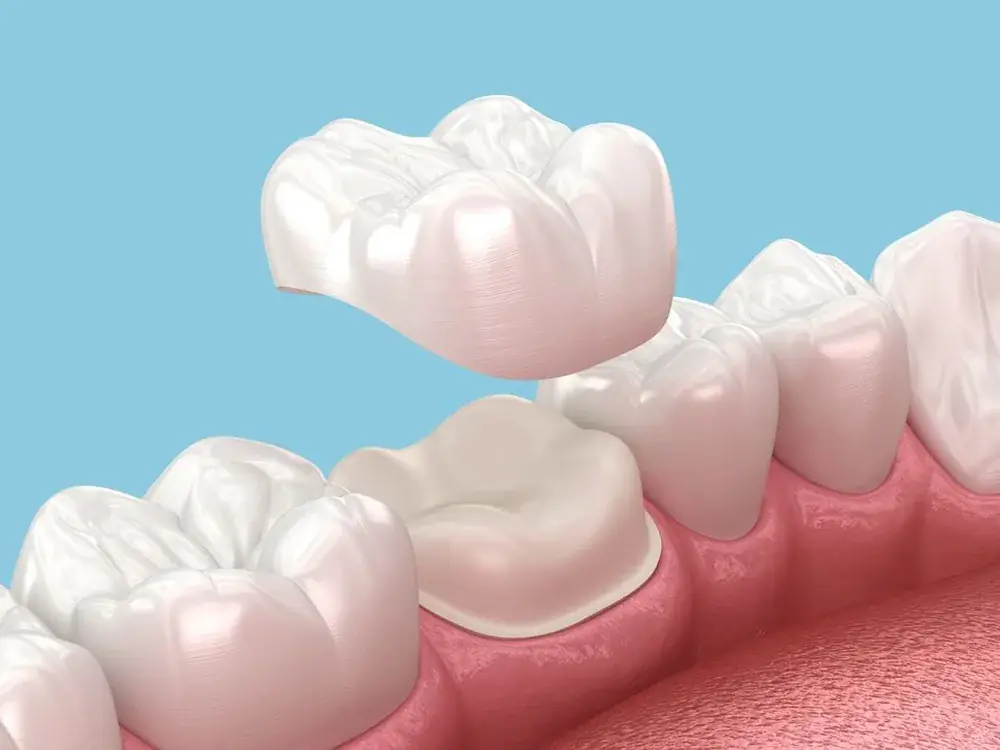
Dental Crowns
Custom caps that cover and protect a weakened or heavily restored tooth.
Learn more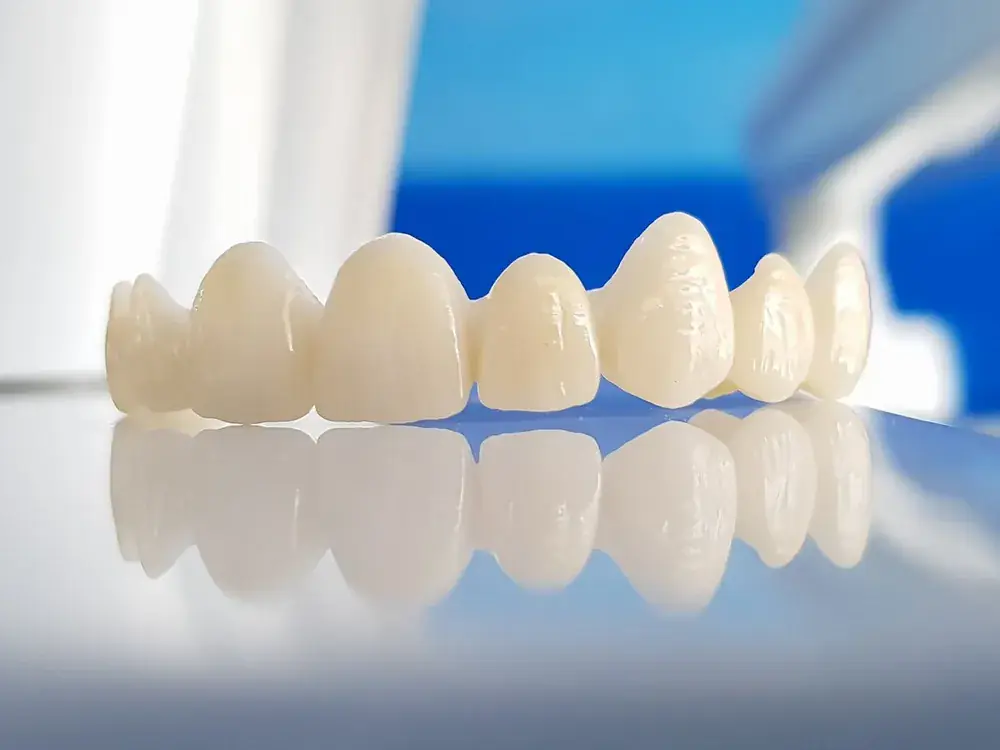
Dental Bridges
Fixed restorations that close the gap left by missing teeth.
Learn more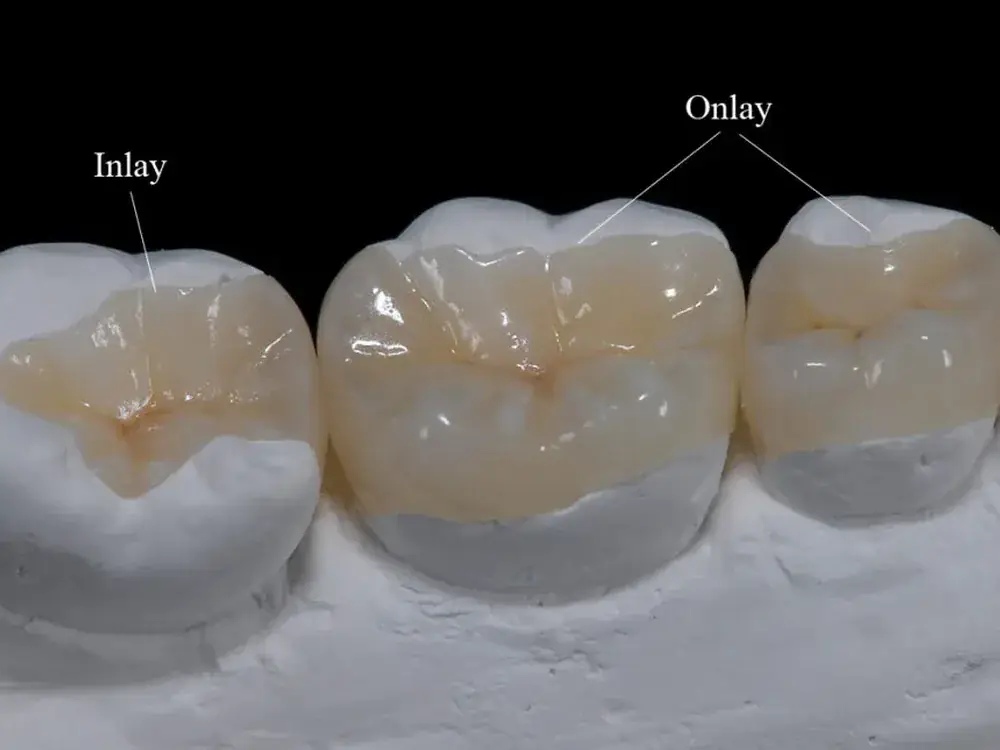
Inlays and Onlays
Custom-made restorations for teeth too damaged for a standard filling.
Learn more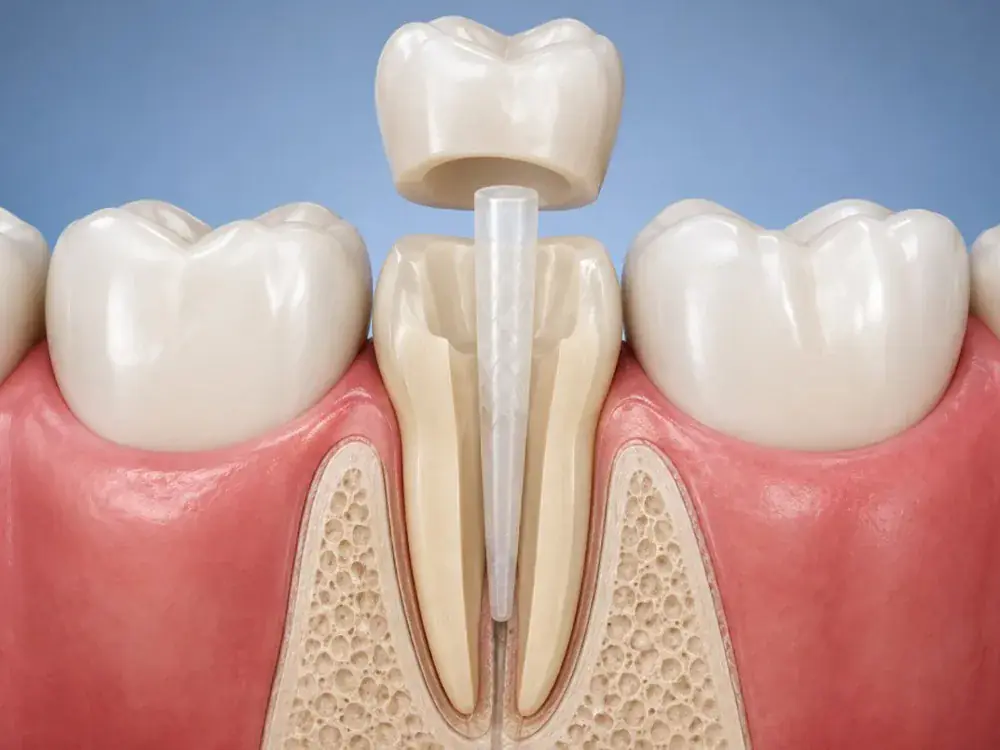
Fiber Post
A support placed inside a root-treated tooth to hold a restoration.
Learn moreComposite Fillings: frequently asked questions
Your dentist will advise you, especially while the anaesthetic wears off. Avoid chewing until feeling returns.
Only a dentist can say after examining you. Share your goals and photos with our team and we will explain the options before you book.
The price depends on your case. We can give an indicative figure after an online conversation, and confirm it after your examination.
You may also be interested in

Interested in composite fillings?
Send us a message and we will explain your options.